Grouse Brood - 2026

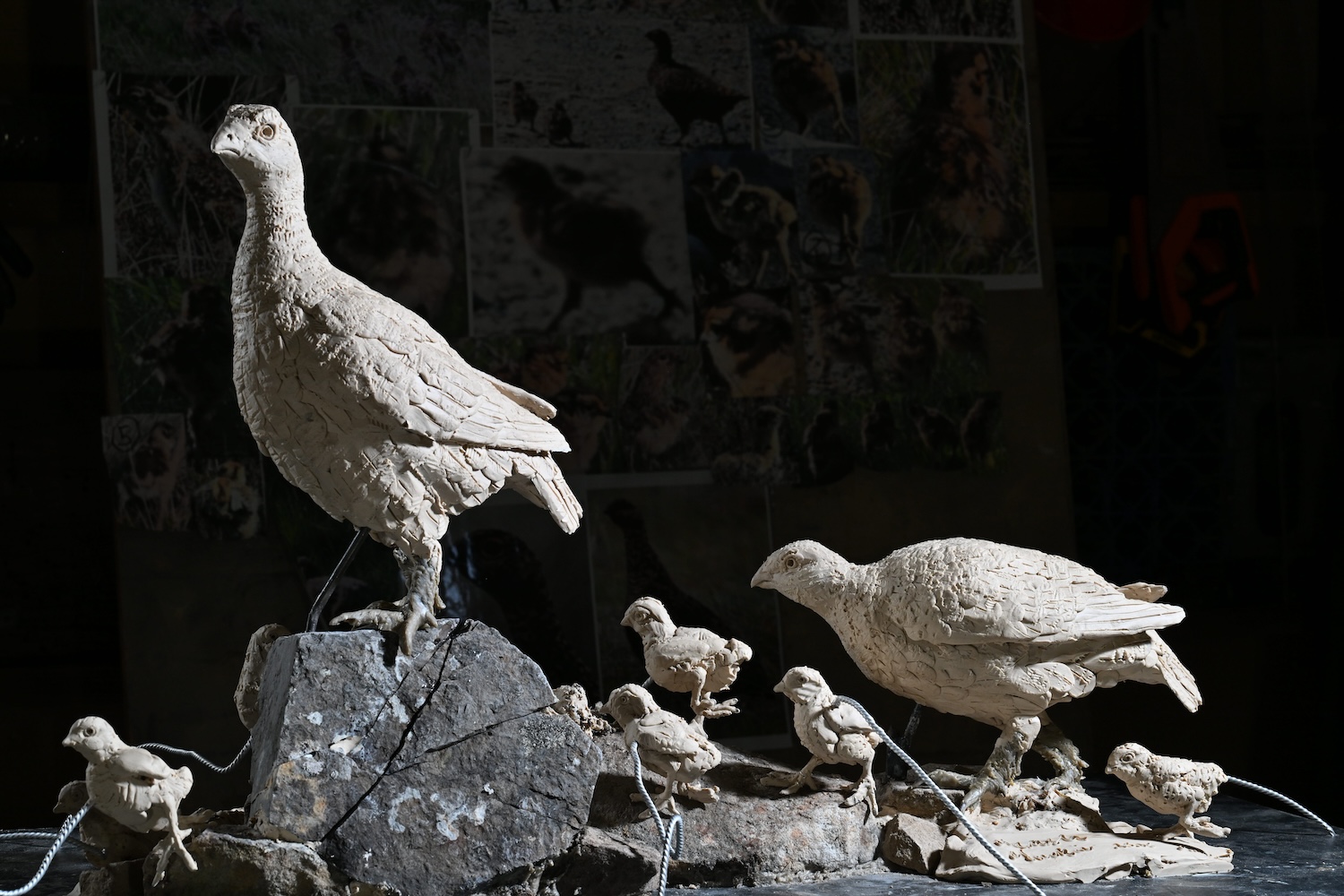
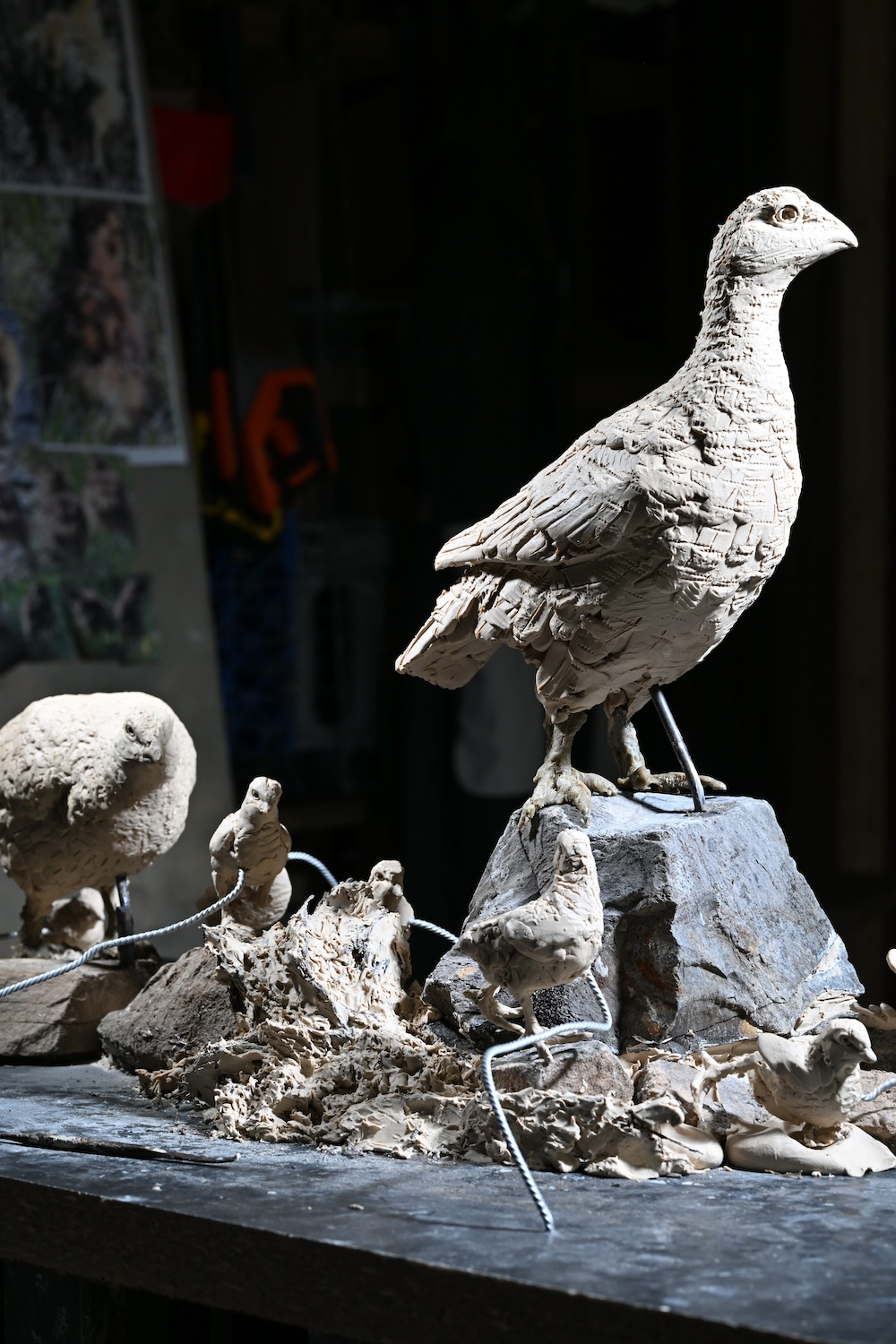
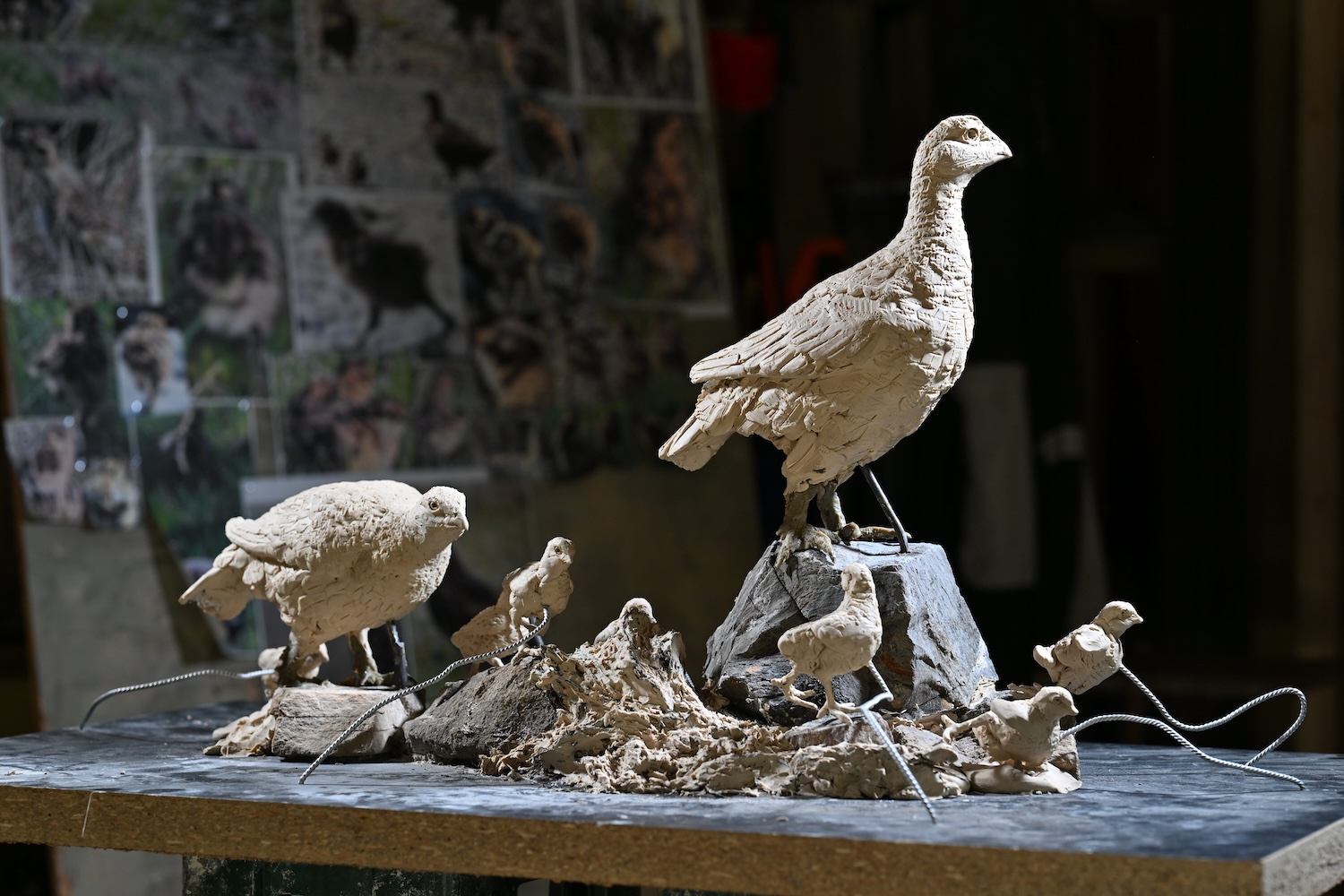
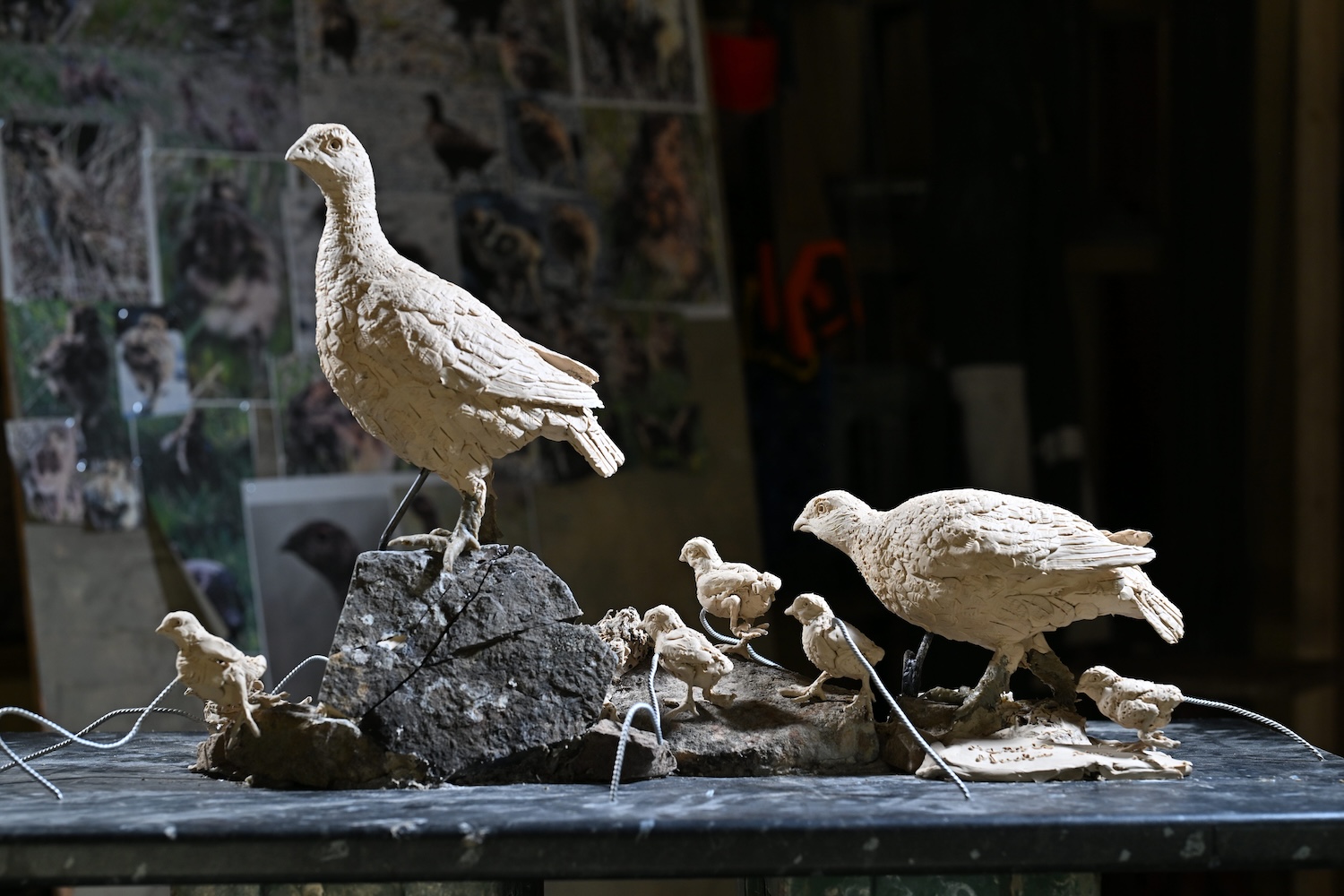
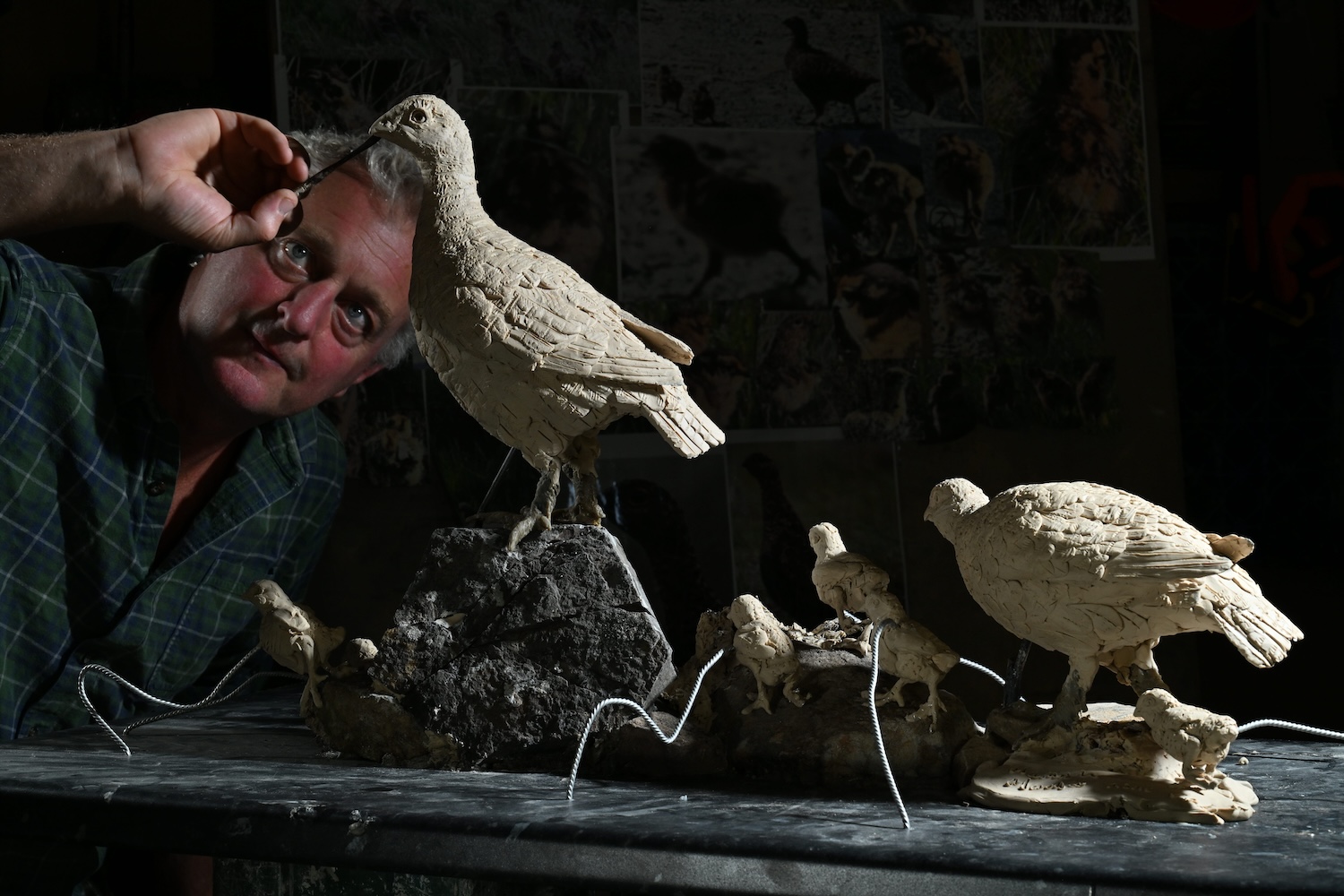
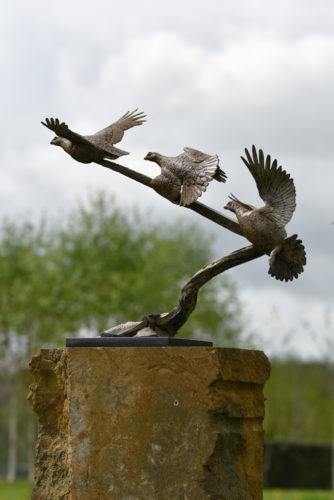
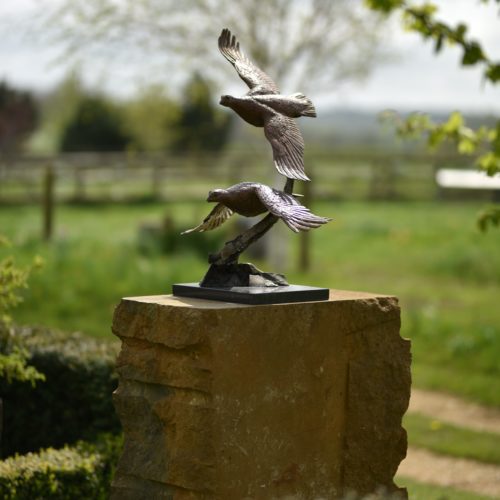
Images show clay original for bronze.

The Male and Female Grouse will also be cast in separate editions.

Bronze, Signed Hamish Mackie
Numbered Edition of 12
Dated 2026

47cm high x 26cm wide x 74cm long / approx  18.5″ x 10″ x 29″

Sculptures can be shipped worldwide at cost, no VAT payable on exports outside the EU.


£TBC
Share

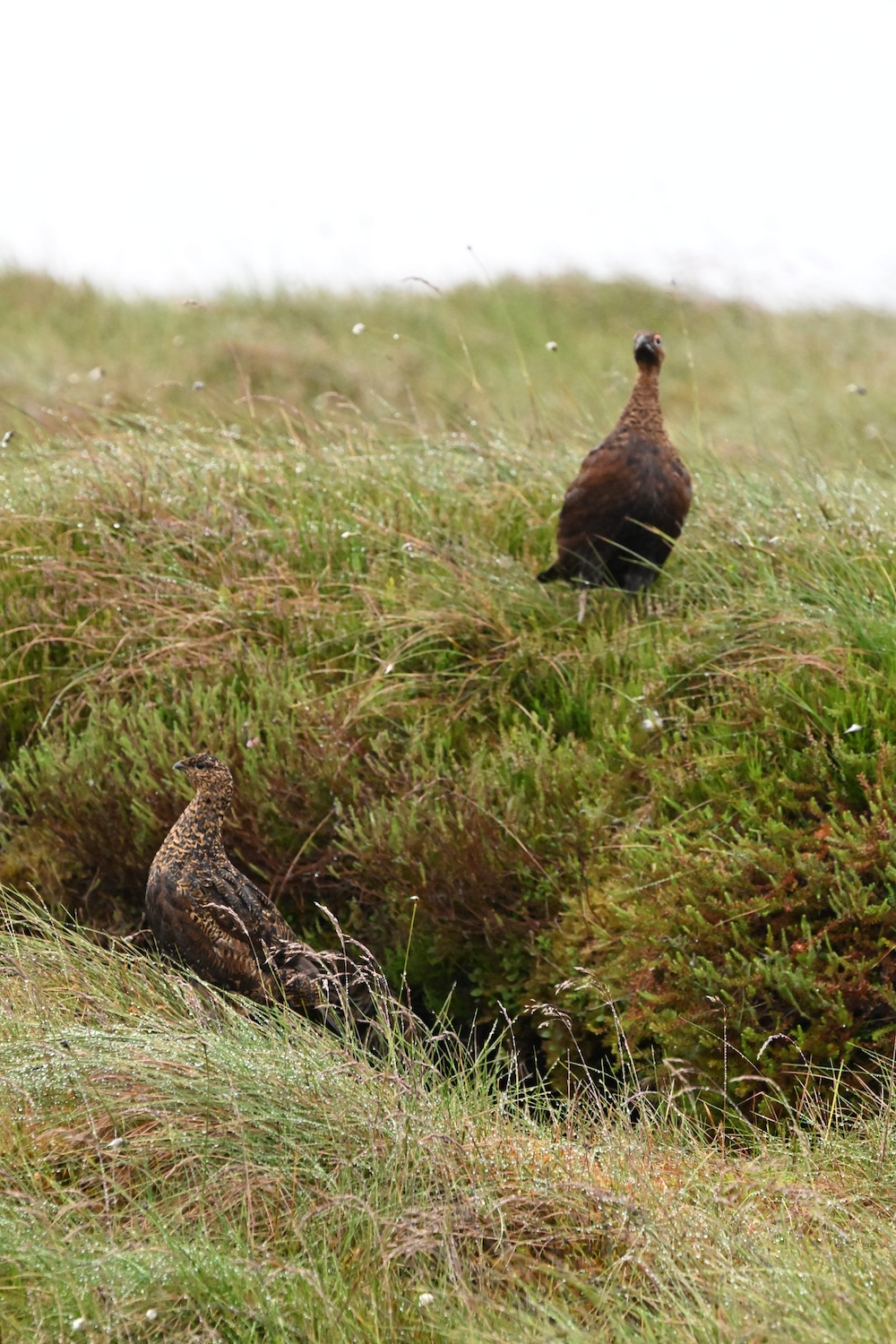
In May 2026 I visited the Priorsdale and Gunnerside grouse moors to research what would become this sculpture. My intention was not simply to study red grouse, but to understand the landscape they inhabit and the intricate relationship between the birds, the moor and the people who manage it.

It was a privilege to spend time on a moor alive with wildlife. I saw grouse, golden plover, curlew, roe deer, little owls and marsh harriers over the course of a few days. The richness of the habitat reflected the dedication and knowledge of the estate keepers, whose passion for the landscape was evident in everything they did.

During my visit I met the ecologist Dr David Baines, who was carrying out his own curlew research. He remarked that, “There is no natural habitat left in England; wildlife has to be managed and looked after.” This simple observation reinforced to me the importance of careful stewardship in maintaining these upland environments.

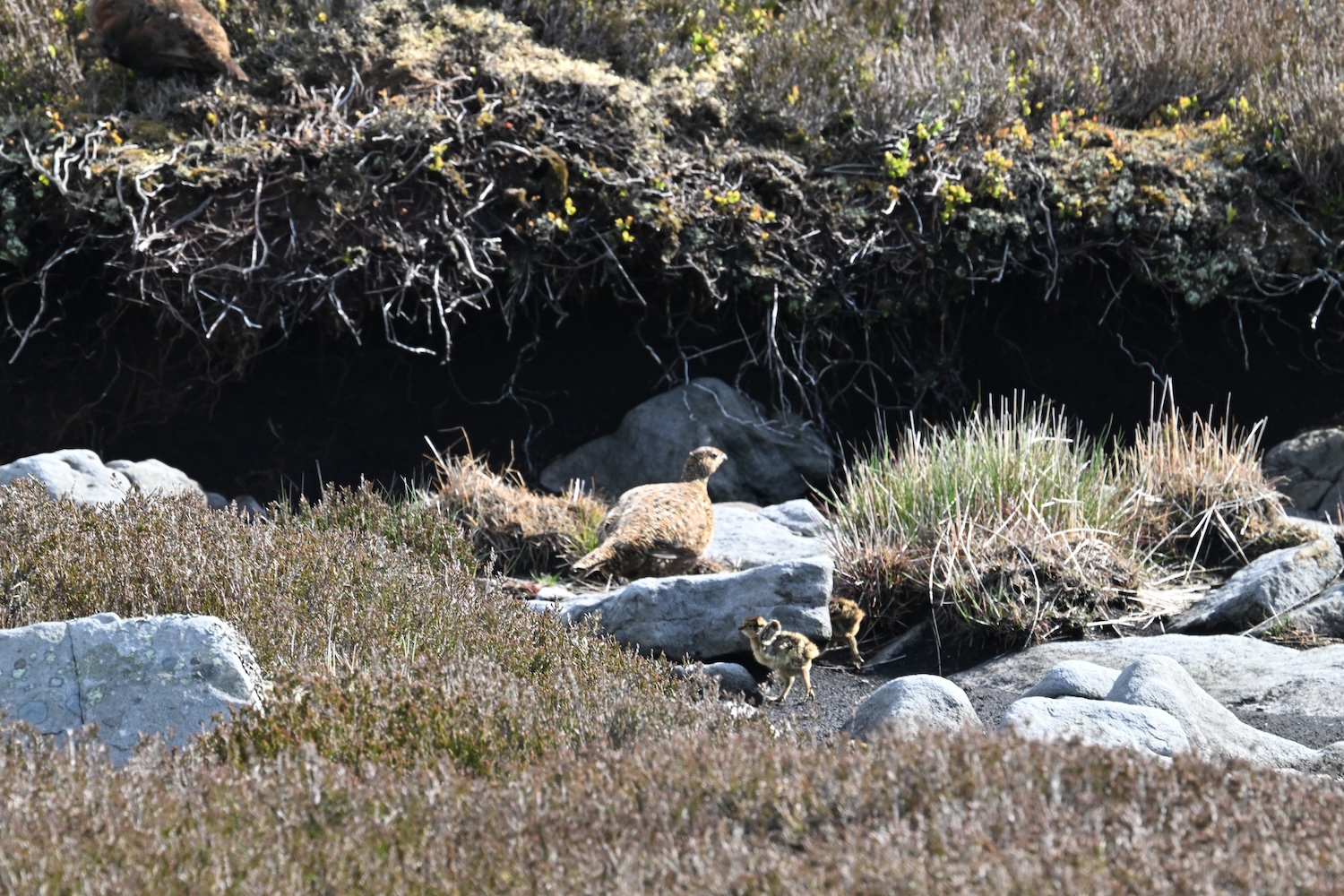
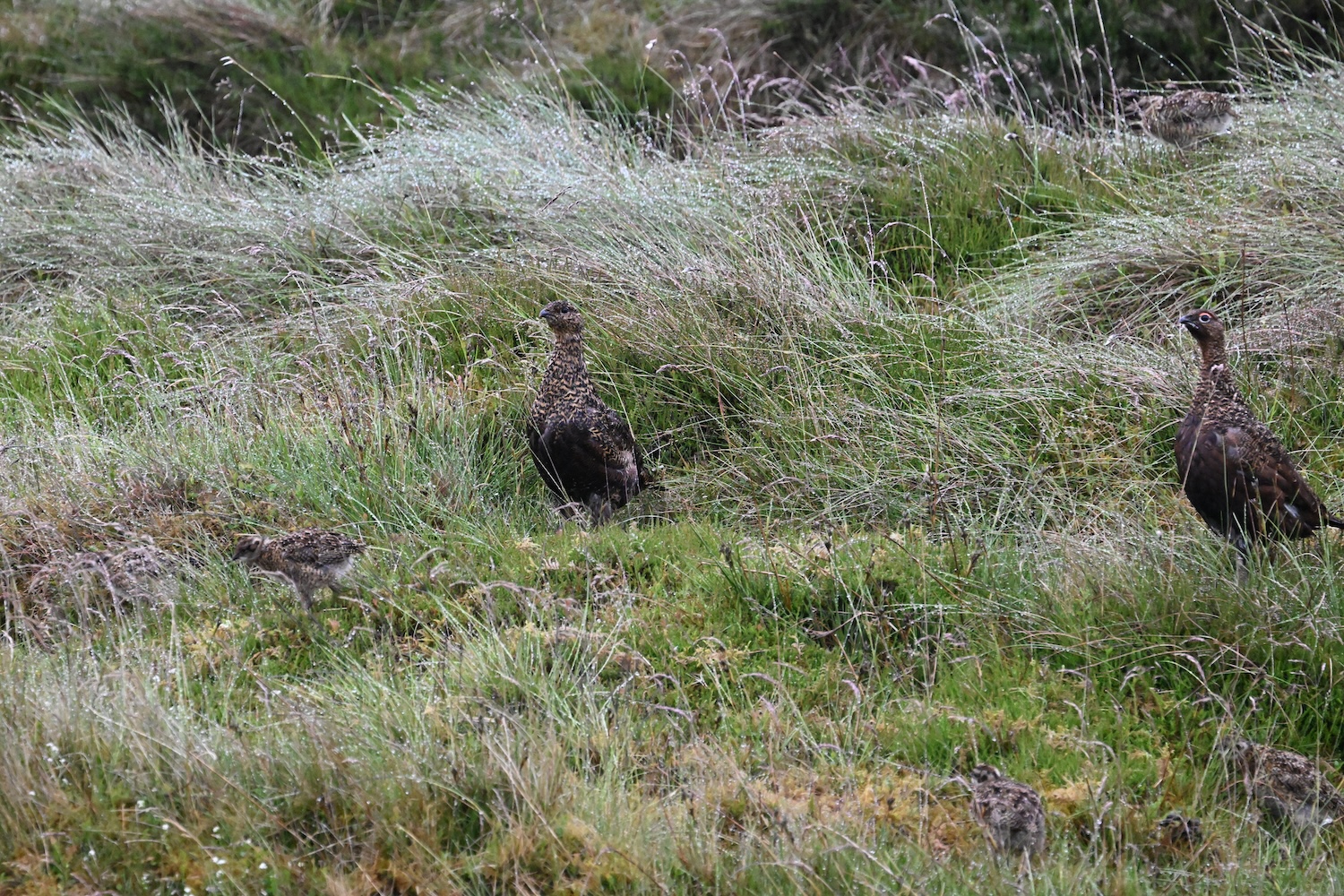
Watching the grouse with their tiny, bumblebee-like chicks was one of the highlights of the visit. Hearing the keepers’ passionate knowledge about the birds’ behaviour and life cycle helped me understand details that are impossible to learn from photographs alone. Red grouse are remarkably resilient birds and attentive parents, with both cock and hen playing a role in protecting the brood.




It is these small observations that I hope give the sculpture its authenticity. The chicks scramble over the heather almost like little reptiles as they hunt for insects. The cock bird stands alert on a rocky outcrop, watchful but relaxed, his scarlet comb lying flat rather than raised in aggression. The adults carry the crisp, sharply defined plumage and feathered legs of healthy wild birds, while the surrounding moorland plants have been carefully observed to root the composition in its natural setting.

For me, wildlife sculpture is about far more than anatomical accuracy. It is about understanding how an animal behaves, how it moves, and how it relates to its environment. Only then can a sculpture begin to tell the story of the place from which it came.

Enquire about Purchasing this Sculpture

    Hamish Mackie
    Privacy Overview

    This website uses cookies so that we can provide you with the best user experience possible. Cookie information is stored in your browser and performs functions such as recognising you when you return to our website and helping our team to understand which sections of the website you find most interesting and useful.