The Journey to Bronze – Lions
November 15, 2026

For over 3,000 years, the lion has been an enduring and universal emblem of power, prestige and strength. It has been revered across ancient and modern civilisations, from the ancient Egyptian goddess Sekhmet depicted with the head of a lioness, through to Greek and Roman mythology including the story of Hercules slaying the lion. In medieval England, King Richard I earned his nickname ‘The Lionheart’ for being a brave, fierce and skilled warrior. Today, the symbol of the lion is seen on flags, furniture, and public monuments like Sir Edward Landseer’s lions in Trafalgar Square, and on logos including MGM film studios.

Lions are the largest cats on earth. They thrive across the great African plains, where they are one of the most formidable predators. Observing them in the wild is simply heart stopping. They inspire such awe and there is no denying their status as kings of their realm and why they have earned their place in human history.
Share

In 1996, I began my career as a sculptor after travelling in Africa and staying with the Craig family at Lewa Wildlife Conservancy in Kenya. Over the years, Lewa has become a place I continue to return to. And like artists and sculptors throughout history, Africa was the inspiration for my journey into sculpture, and it continues to inspire me today.

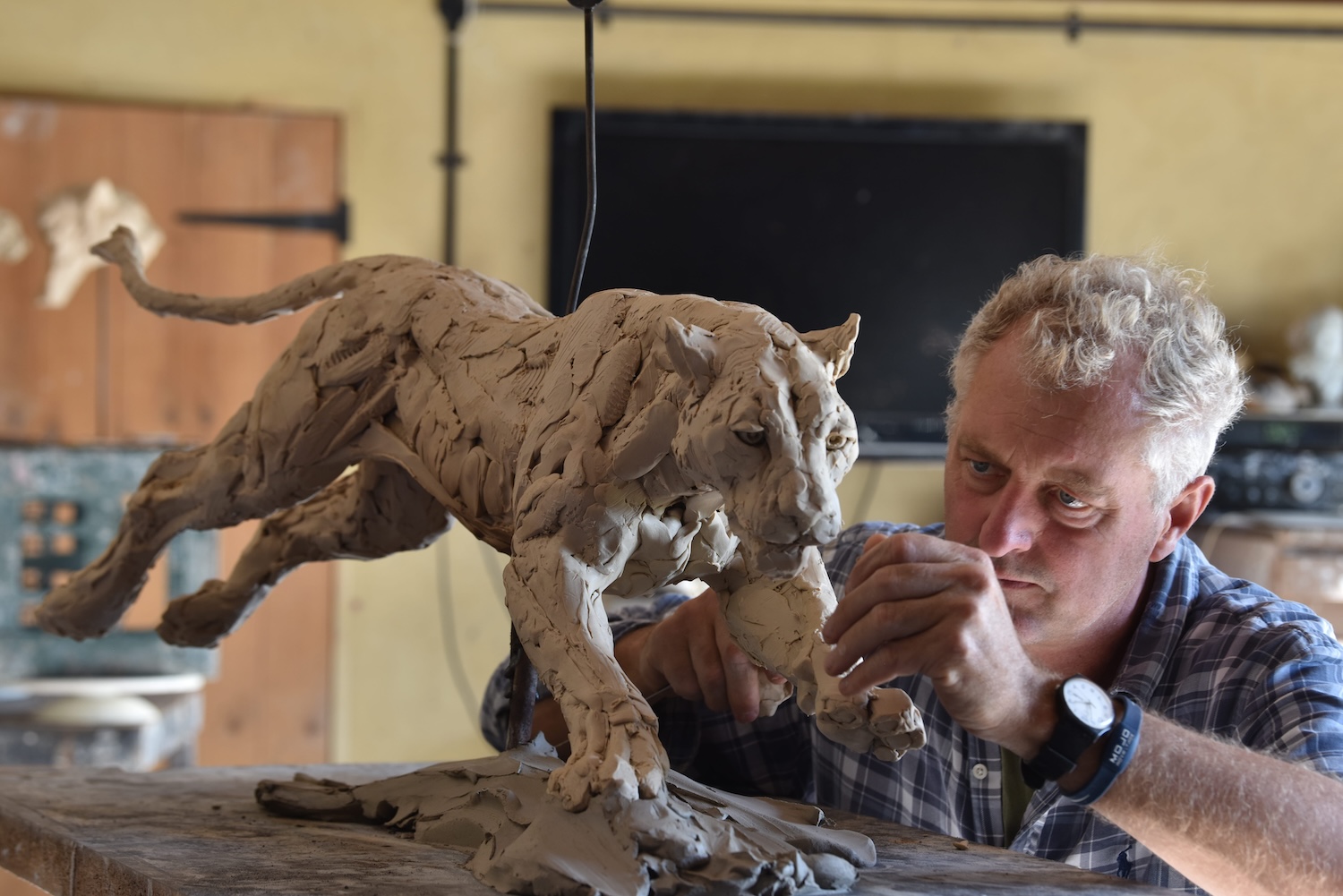
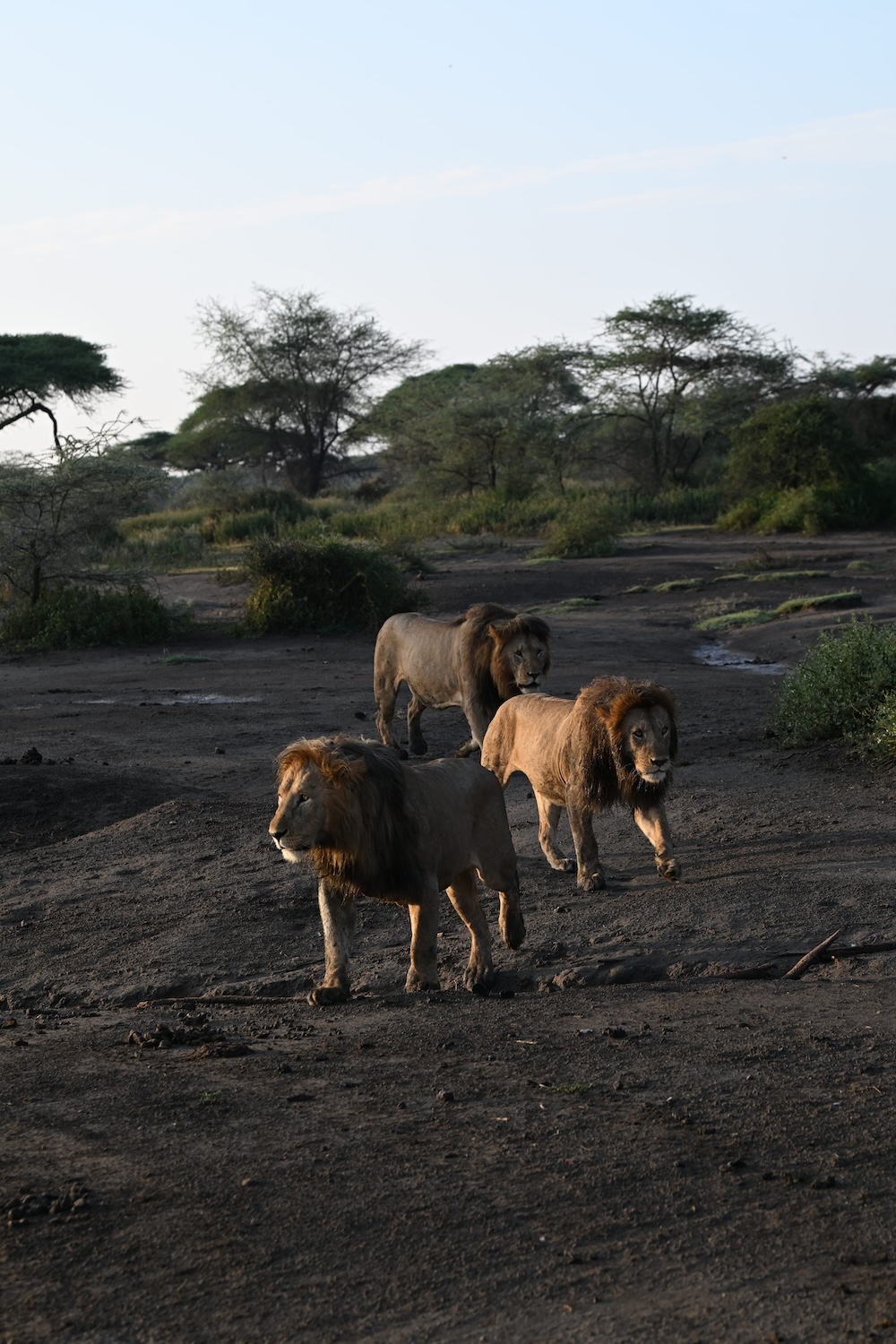
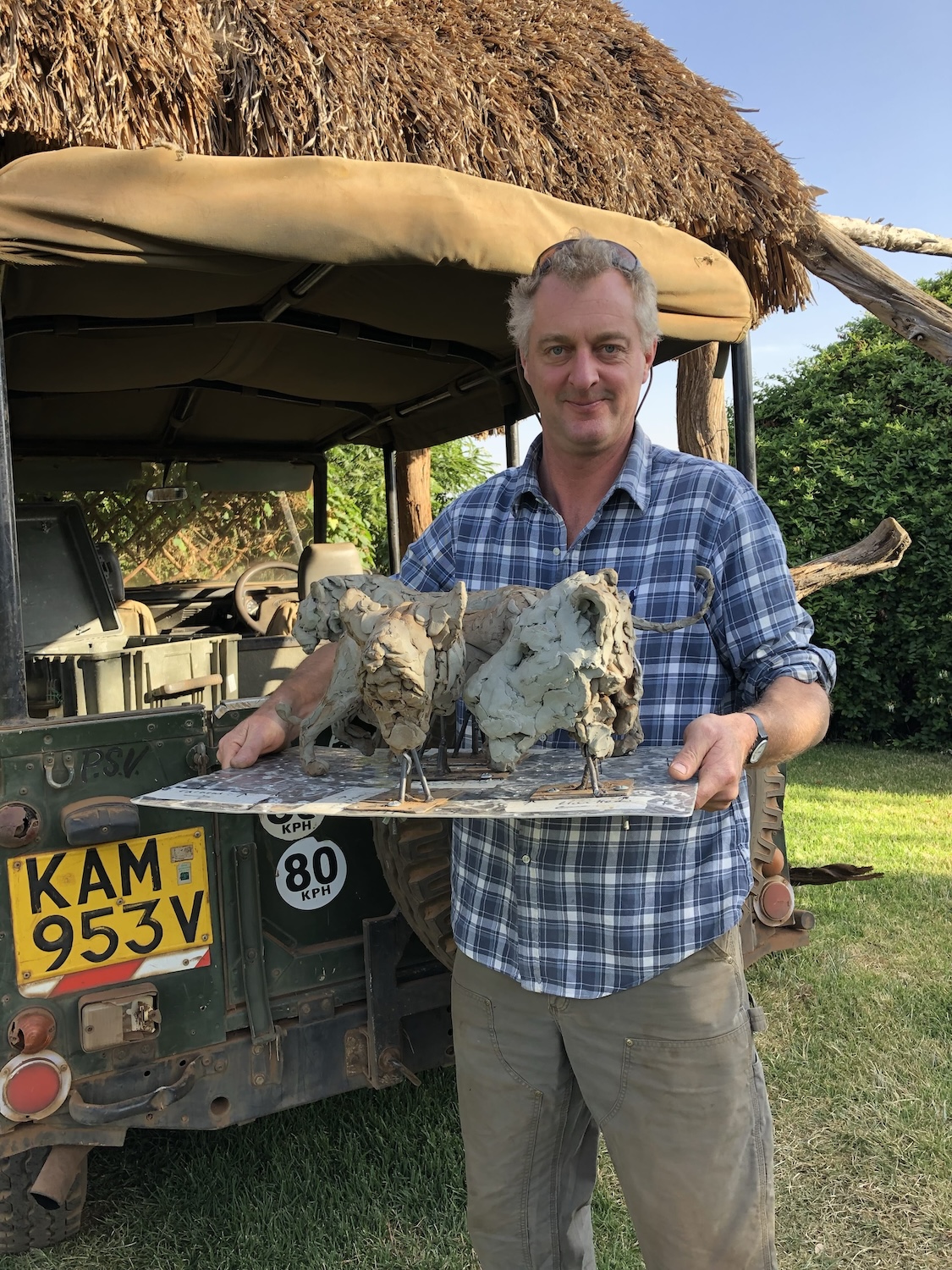
In 2019, I was lucky enough to returned to Lewa to spend a week with the lion monitoring team. We drove several hundred kilometres across Lewa and Borana, tracking lions and observing them in their natural habitat.  This time in the field gave me the opportunity to observe, research, film, photograph and sculpt these magnificent animals at close quarters. I wanted to capture something of their true character, not simply their appearance, but their presence.  What fascinated me was their swaggering walk, the way the tail, spine and shoulders work together to create an extraordinary sense of weight, balance and power. There is a rhythm to the way a lion moves, an effortless confidence that is difficult to describe until you have witnessed it for yourself.


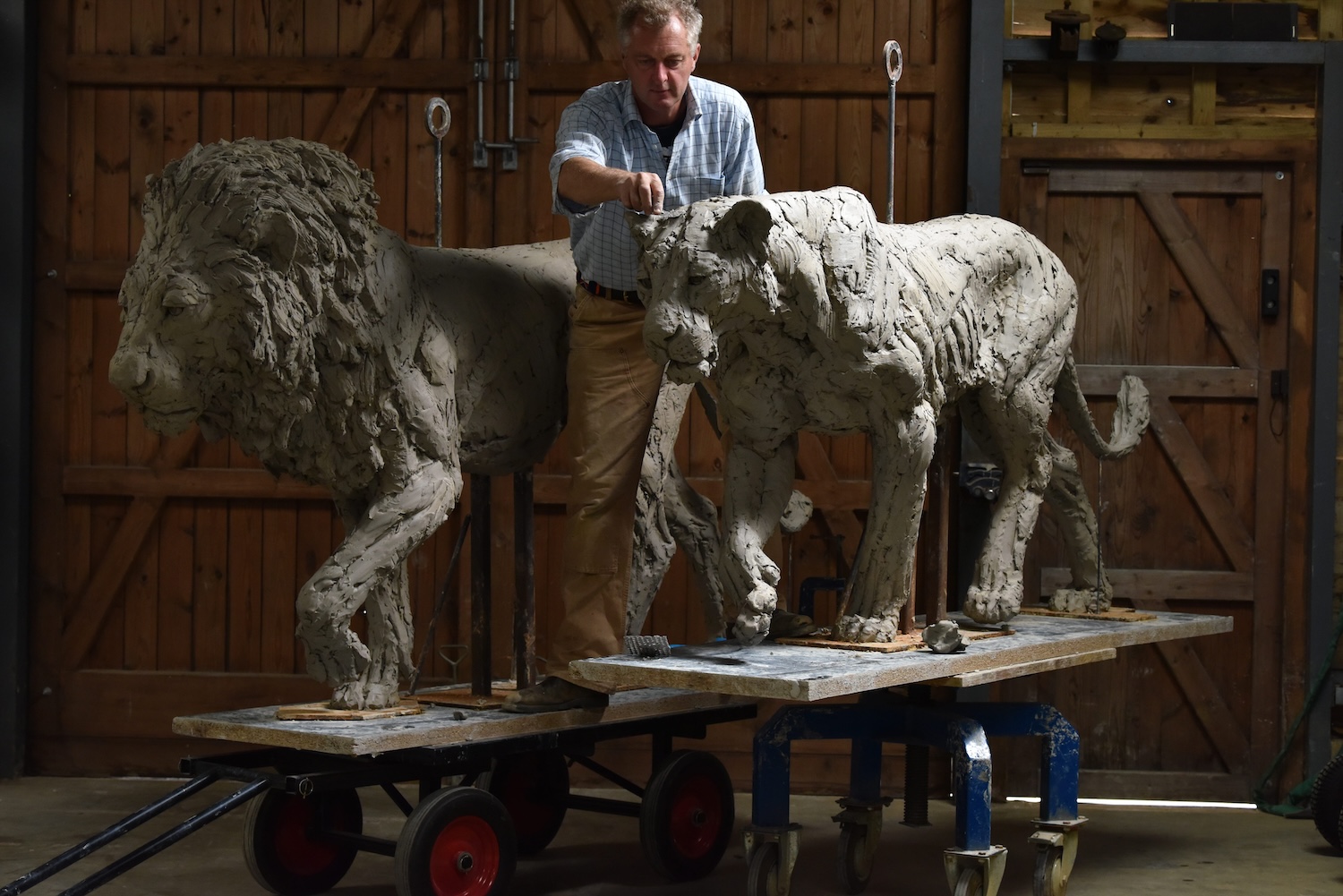
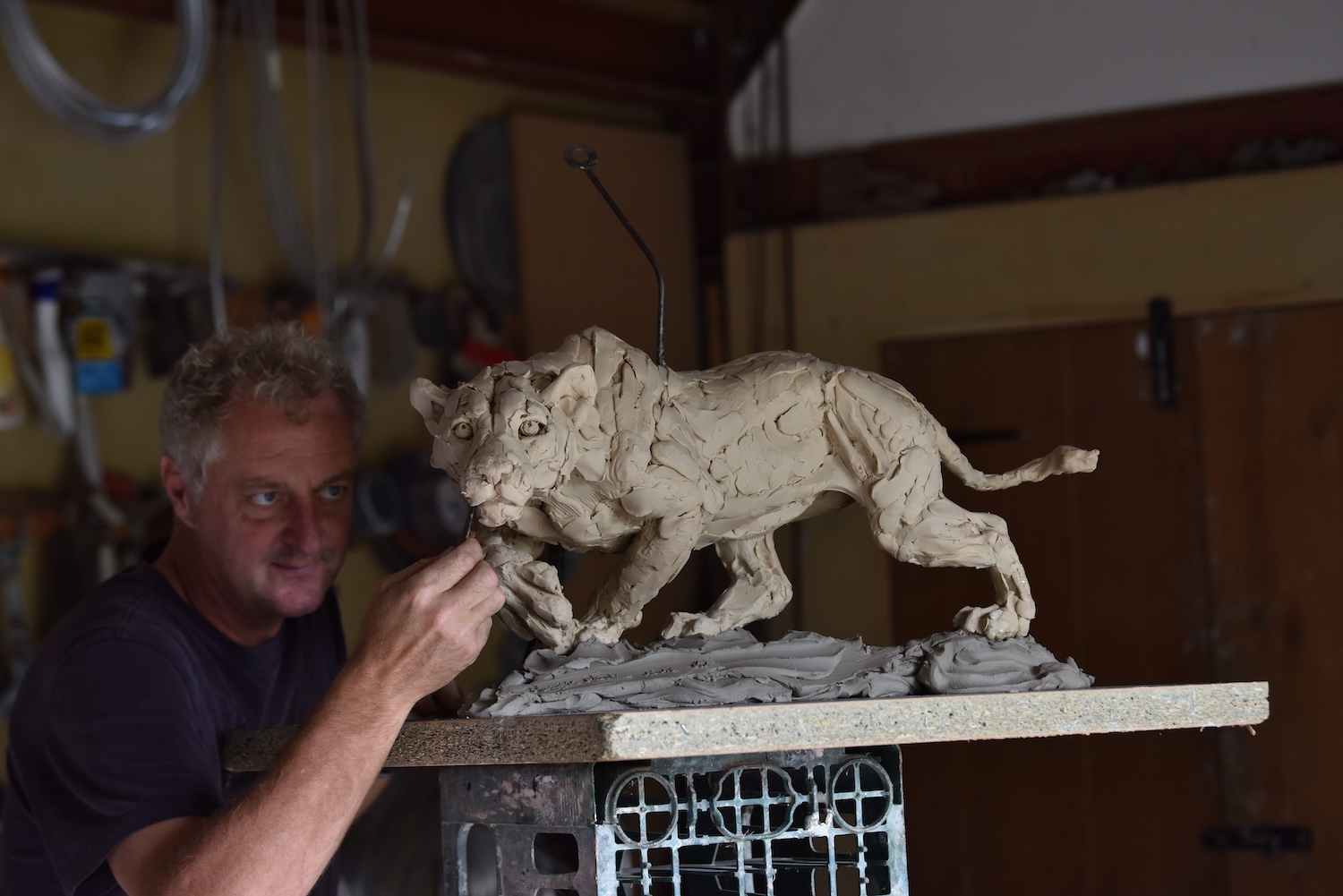
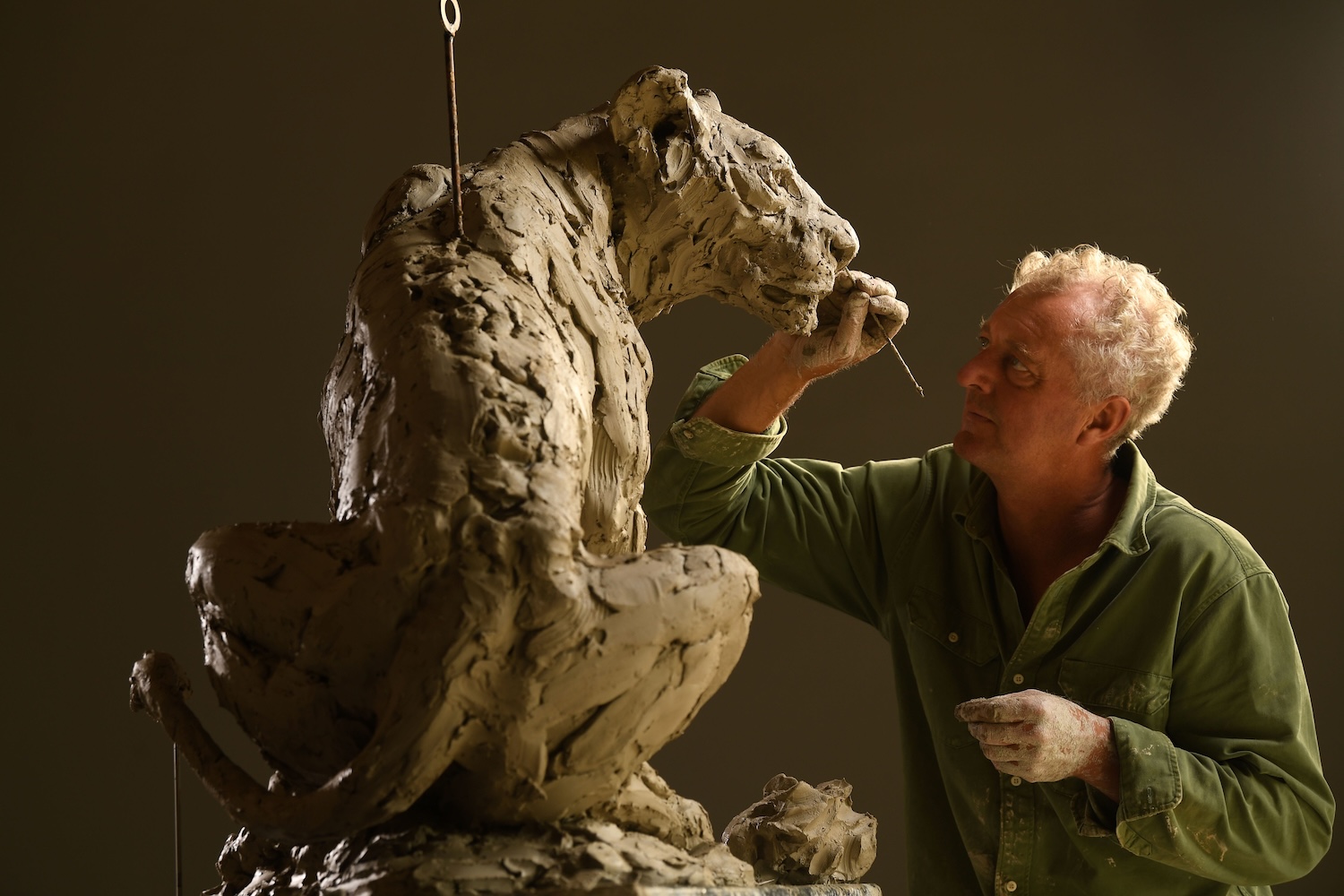
I sculpted two maquettes during the trip, one of a walking lion and the other of a walking lioness. These small studies became the foundation for life-size sculptures that I developed later in my studio. The research I gained from the experience of following the lion monitoring team continued to feed my work. I went on to create several further lion studies, including a life-size head study, a lioness hunting and a lioness stalking, and a lioness head study.  Each sculpture presented a different challenge, as I wanted to capture the anatomy, movement and character of the animal, while trying to preserve that unmistakable sense of life and heart-stopping presence I had witnessed in the wild.


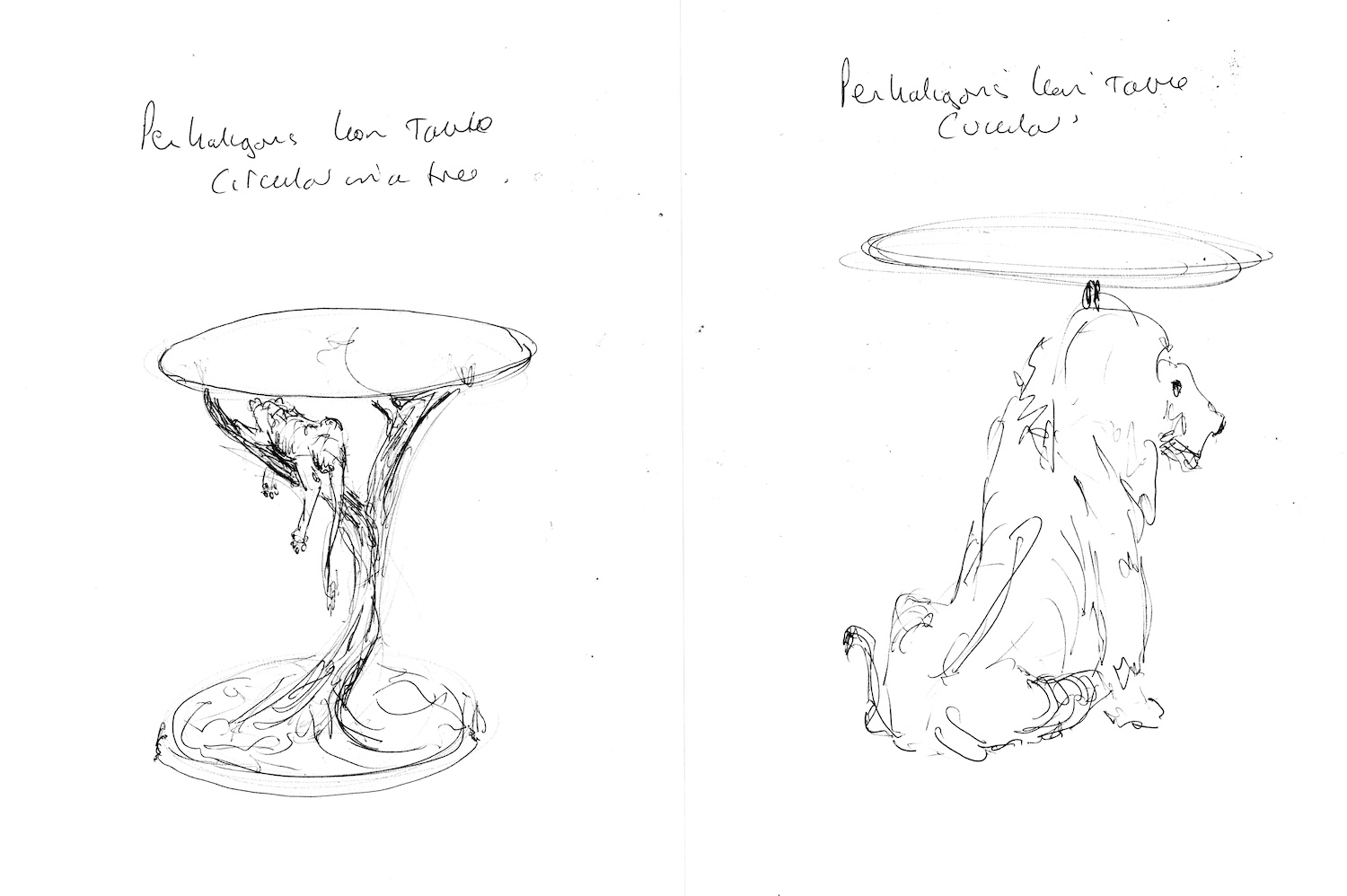
In early 2025, I was approached by the international architects and interior designers Michalis Boyd regarding a prestigious new project for Penhaligon’s, the British perfumer.  The project was to create a sculptural table centrepiece for the relaunch of the Penhaligon’s global flagship stores.  The commission called for this centrepiece to express the heritage, craftsmanship and prestige of Penhaligon’s within a contemporary retail setting. For me, this was an exciting project to be involved in as I have a background in furniture and product design and a long-standing interest in functional sculpture. The strength, presence, and historical significance of the lion offered a fitting expression of the spirit Penhaligon’s wanted to convey as a luxury product.  And so the idea of a bronze lion table to display the beautifully designed perfume bottles was born.


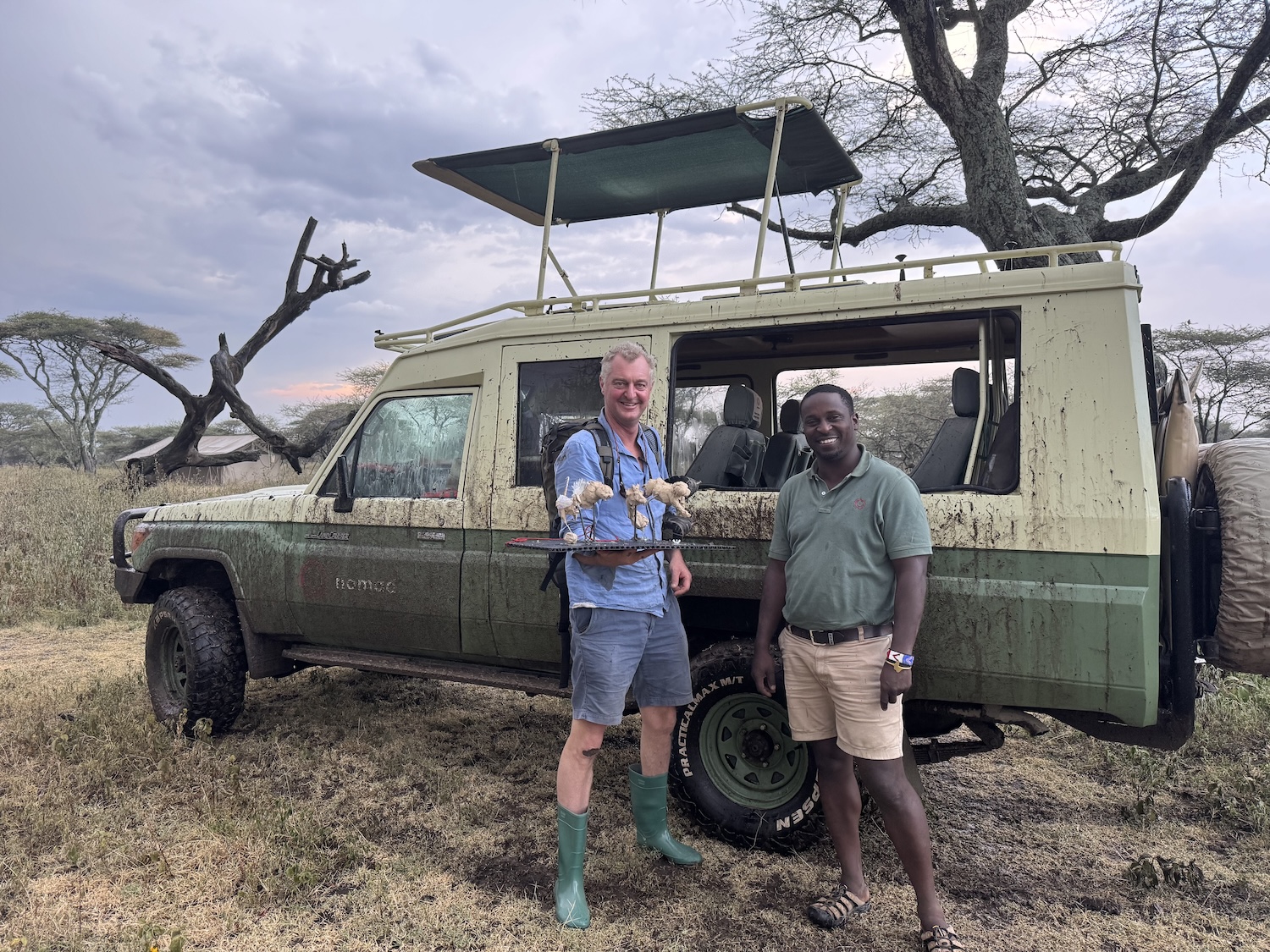
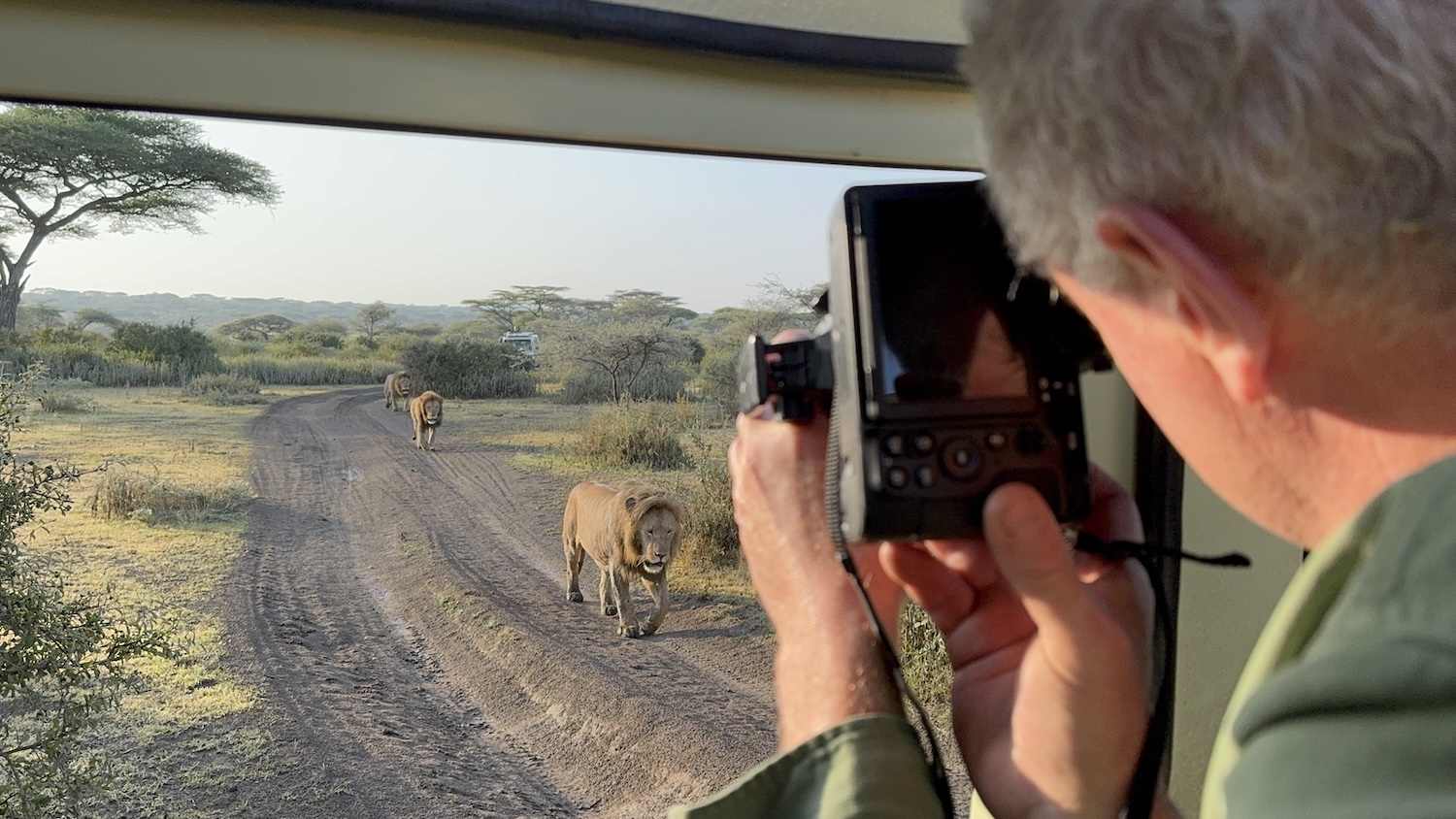
My research material from past trips to Kenya, including my 2019 trip with the lion monitoring team was invaluable for this commission.  However, after Covid, I felt I needed a fresh eye and was keen to observe lion in the wild again.  In early 2025, I travelled to Tanzania with Nomad Tanzania.  I visited both the Ngorongoro Crater and the Serengeti and was again bowled over by the power and presence of big cats.  Their raw energy and rugged strength flow through them in every movement they make, and it was fantastic to be back with them, researching and recording them from the back of a trusty Land Rover.


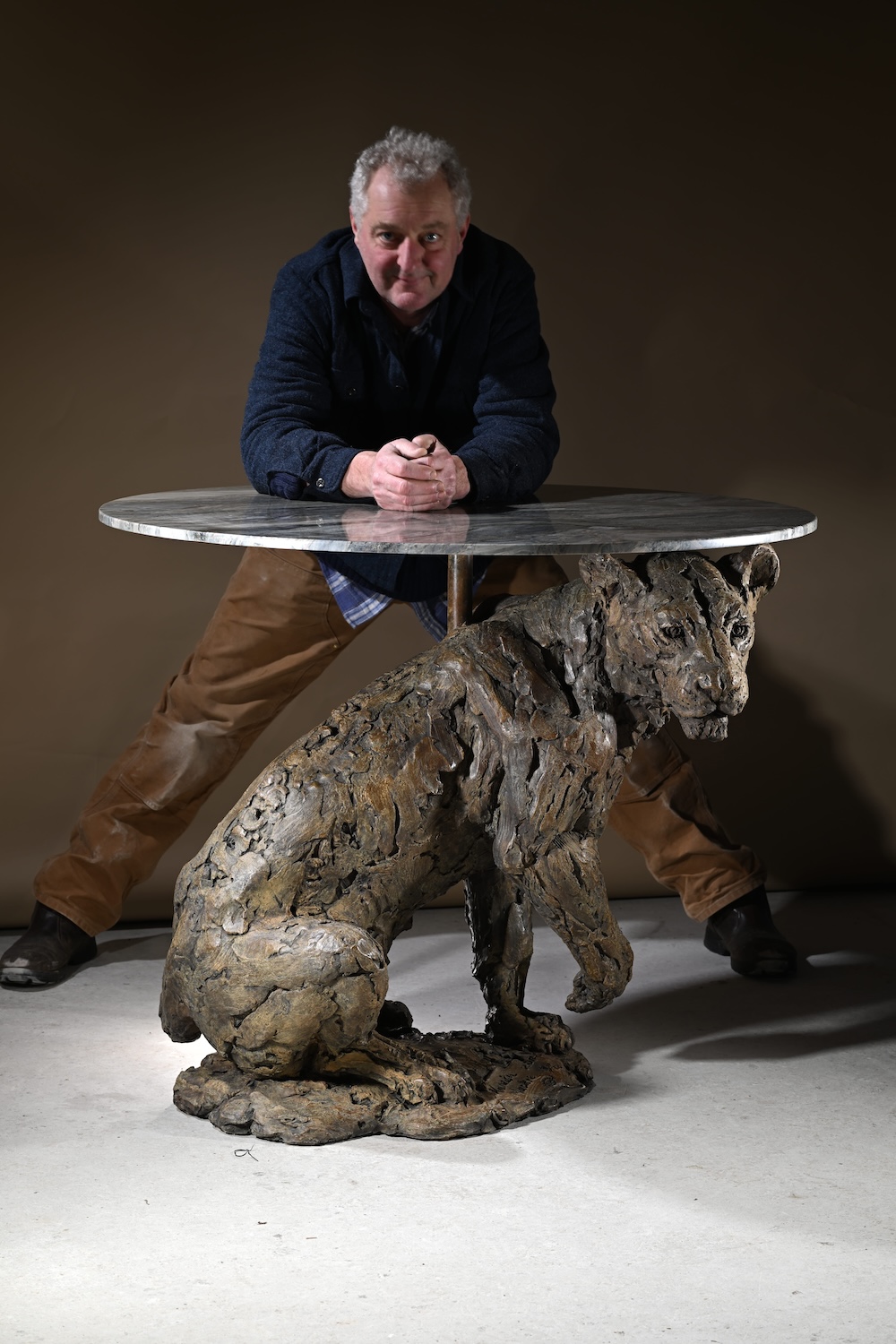
Back in my studio, my Penhaligon’s Lion Table 2025 was enthusiastically received by the Penhaligon’s team who went on to commission smaller, digitally scanned versions for their collection. To my great delight, Penhaligon’s followed the commission of the Lion Table with a commission for a circular Lioness Table.  For this one, I sculpted an alert sitting female, just as I had seen in the Ngorongoro Crater.

The Penhaligon’s Lion Table can now be seen at Penhaligon’s flagship British store on Regent Street and at Selfridges on Oxford Street in London.  If you are lucky enough to travel to Dubai, the Penhaligon’s Lioness Table can be seen in their flagship store in Dubai Mall.

Together, these two tables sit at the intersection of sculpture, furniture and design.  Although conceived for a global luxury house, they are rooted in traditional making and intended to endure as highly collectable objects.  It is also reminder that a sculpture rarely begins in the studio; they often begin thousands of miles away in the wild.  It is also extraordinary to think that my interpretations of lion are adding to an age-old fascination with these wild animals. My research trips and natural observation of my subject, with all the equipment I travel with, is a real privilege.

Penhaligon's Lion Table

Newsletter Sign Up

    Hamish Mackie
    Privacy Overview

    This website uses cookies so that we can provide you with the best user experience possible. Cookie information is stored in your browser and performs functions such as recognising you when you return to our website and helping our team to understand which sections of the website you find most interesting and useful.